


 Pretreatment equipments
 Micro filtration
 Water disinfection
 Water testing equipment
 Water treatment chemical
 Specialized pumps
 Swimming pool equipment
 Other products
 Chemical dosing system
 Water treatment system
Is chlorine in tap water toxic? Chlorine is a common disinfectant used in tap water to kill bacteria and other harmful pathogens. However, many people are concerned about the health effects of chlorine, especially when using a dechlorinate system. This article will answer questions about the harmful effects of residual chlorine in water and how to effectively treat it.
Harmful effects of residual chlorine in water
Whether chlorine in tap water is toxic depends on the content, specifically as follows:
Chlorine content is low below standard of 0.3mg/l
Drinking water with low chlorine content below 0.3mg/l can cause minor diarrhea, stomachache, etc.
Chlorine content is higher than standard of 0.5mg/l
If you drink water with a concentration higher than the standard of 0.5 mg/l, it can cause poisoning. Depending on the concentration and exposure time, the level of influence will be completely different.
Usually, symptoms of acute chlorine poisoning: Cough, chest pain, shortness of breath, pulmonary edema,… If inhaled for too long, it will affect the respiratory tract, damage the cornea.
Chlorine content in standard level 0.3 to 0.5 mg/l
Chlorine water with a standard content of 0.3 to 0.5 mg/l does not affect health too much but will leave some harmful effects on skin and hair such as:
Harmful effects to the skin
For some people with thin, sensitive skin, prone to peeling, dry skin, and cracking, daily exposure to chlorine water causes the skin to erode and weaken. The skin is prone to darkening and age spots. In addition, the skin is prone to aging, irritation, and wrinkles.
Harmful effects on hair
Is excess chlorine in water toxic? Chlorine is an oxidizing agent with high cleaning properties. When the scalp is frequently exposed to chlorine water, it will cause hair loss, dryness, etc. Over time, the hair cuticles will lose their adhesion, destroying the protective layer of the hair, causing breakage. In particular, chlorine also makes the scalp dry, leading to dandruff.
See more: Is chlorine disinfection of domestic water safe and effective?
How to treat residual chlorine in water
So now that we know whether chlorine in tap water is toxic or not. There are a variety of ways we can completely eliminate the harmful effects of excess chlorine in water. Specifically, we will share the 3 most common ways: Applying ultraviolet rays, using chemicals and water filters.
Ultraviolet rays
First, we will learn about how to treat residual chlorine with ultraviolet light. Ultraviolet light with extremely high intensity, broad spectrum radiation helps reduce chlorine and Chloramines by breaking them down into hydrochloric acid.
- To reduce the nanometer content, we use ultraviolet rays with radiation of 185 nanometers.
- To reduce the Chloramines content, we use ultraviolet rays with radiation of 245 nanometers.

Using chemicals
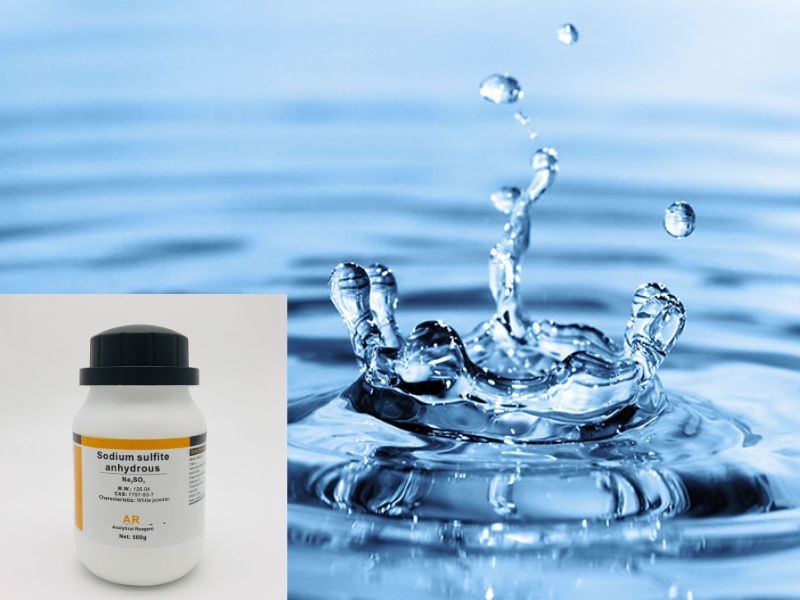
Water treatment chemicals such as Sulfite, Bisulfites, Metabisulfites, etc. are also used to remove chlorine from water. This method works based on the chemical reaction between these substances and Chlorine, helping to neutralize and remove Chlorine from water. Although effective quickly, this method has some potential risks: Accumulation of chemicals inside the water tank, formation of hard water, reduction of equipment life, etc.
Water filters
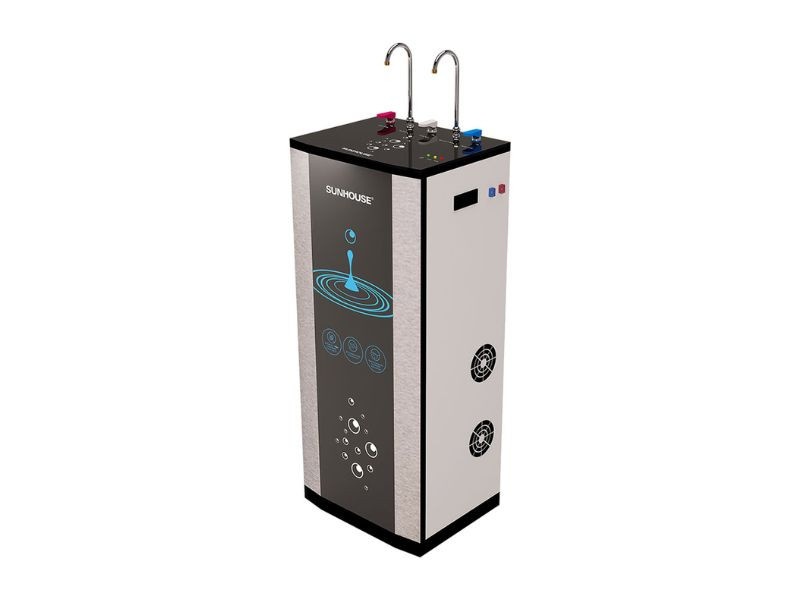
Nowadays, there are many types of water purifiers on the market with a variety of technologies and features, meeting the needs of removing residual chlorine from water. Not only that, these machines also help remove toxic substances, organic impurities, bad smell of water, bacteria, etc. Some popular water purification technologies include: RO, Nano, UF, electrolysis, etc.
See more: What is RO water filtration technology? Advantages, structure, operating principle
Above, we have together found the answer to the question of whether chlorine in tap water is toxic. Chlorine is a disinfectant commonly used in tap water treatment to kill bacteria, viruses and other harmful agents. However, excess chlorine in water can cause certain harmful effects on human health. Therefore, please save the effective ways to treat excess chlorine in water that Song Phung has shared!
You may also be interested in: Direct drinking water filter ensures health safety
