


 Pretreatment equipments
 Micro filtration
 Water disinfection
 Water testing equipment
 Water treatment chemical
 Specialized pumps
 Swimming pool equipment
 Other products
 Chemical dosing system
 Water treatment system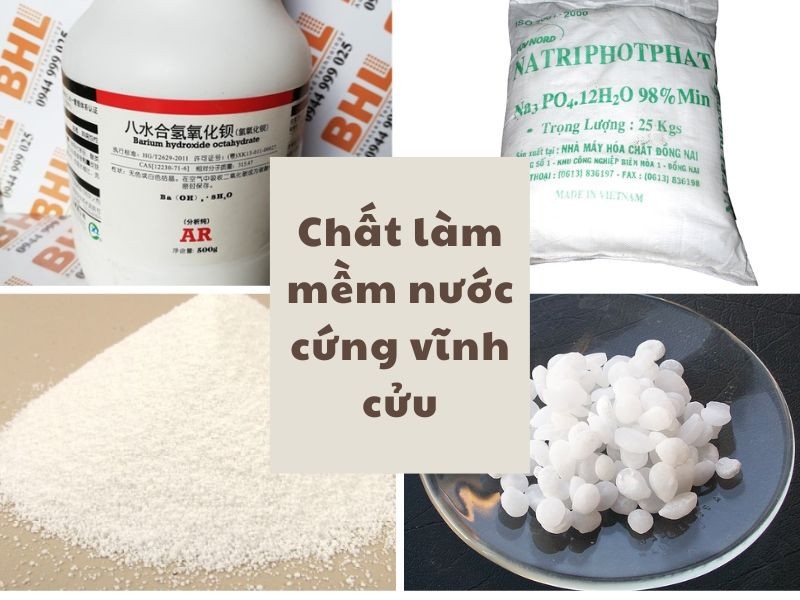
Unlike temporary hard water, permanent hard water cannot be softened by boiling. Therefore, you need to use specialized permanent hard water softeners to treat the water source. So is there any substance that softens permanent hard water? Let’s find out the details below!
What is permanent hard water?
Natural water always contains a certain amount of minerals. The most common are metal cations such as Ca2+ and Mg2+. These substances are the cause of hard water.
Hard water is divided into two types: temporary hard water and permanent hard water. Permanent hard water is understood as water with high anion concentration, especially ammonium sulfate (SO42-). At that time, the combination of sulfate and magnesium, calcium will create permanent hard water.
Many people choose to boil hard water, but this does not completely remove it and requires more specialized treatment.
Learn more about the method: 5 Most Effective And Optimal Temporary Hard Water Softeners
Harmful effects of permanent hard water
Minerals in water with high concentrations can directly affect our health and life. Below are 3 harmful effects of permanent hard water:
Daily life
Permanently hard water makes cooking appliances, water heaters, faucets, etc. susceptible to scale build-up and faster damage. Scale build-up over time can also clog pipes, affecting daily life.
In addition, hard water when combined with soap will reduce the ability to create foam, making washing take more room but clothes are not completely clean. Hard water also stains clothes, dishes, bathtubs… making them lose their beauty and difficult to clean.
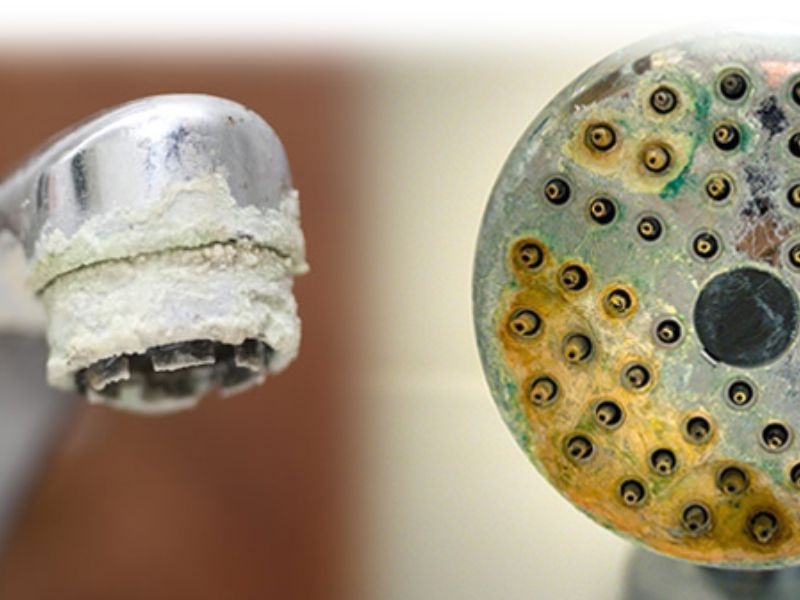
If you are unable to identify hard water in your home, try out: Water Testing Equipment
For human health
Hard water reduces the natural moisture of the skin and hair, making them dry, brittle, and prone to breakage. When bathing, hard water creates white residue that sticks to the skin, causing clogged pores, dryness, itching, or more dangerously, allergic dermatitis.
In particular, permanent hard water is the cause of a number of dangerous diseases such as: cardiovascular disease, high blood pressure, kidney stones, gallstones, arterial occlusion, venous occlusion, etc.
If you are using hard water to boil traditional medicine, Chinese medicine, etc., it can reduce the effectiveness of the medicine. They can even create dangerous side effects for your health.
In industrial production
In the industrial production sector, hard water also has a great impact. Specifically:
- In the textile industry: Hard water makes the fabric fibers rougher, difficult to dye and reduces the quality of the fabric.
- In beverage production: Hard water changes the color and flavor of the product, affecting the quality of soft drinks, beer, soft drinks, etc. In particular, hard water can increase the calcium and magnesium content, causing some health problems for consumers.
- For boilers, cooling towers and steam boilers: Hard water conducts heat poorly, creating a lot of scale and dirt in the boiler and pipes. Scale that sticks to the walls of the boiler, cooling tower and water pipes reduces heat transfer efficiency, causing the equipment to work harder and consume more fuel. Moreover, if it sticks for too long, it can clog the water pipes, increase the pressure in the boiler, cooling tower and pipes, leading to the risk of fire and explosion. When this happens, you can use anti-scale and anti-corrosion chemicals for the boiler.
- With other equipment: Hard water can also damage other equipment in production such as washing machines, water heaters, etc. due to residue on the equipment parts.
See more: Worry Of Iron Bacteria Existing In Water
4 Best Permanent Hard Water Softeners Today
Permanent hard water causes a lot of harm to people and property. Therefore, we need to have timely treatment measures. Below, we will provide you with 4 best and most effective permanent hard water softeners. Specifically:
Sodium Hydroxide
NaOH is a strong base, when dissolved in water it forms a solution with a high pH. This solution will react with Ca2+ and Mg2+ ions in hard water, creating Ca(OH)2 and Mg(OH)2 precipitates, helping to soften the water.
Benefits:
- High efficiency, easy to completely remove Ca2+ and Mg2+ ions from water.
- Easy to perform, low cost..
Drawbacks:
- Increase the sodium content in the water, need to know how to adjust appropriately.
- Creates NaOH residue (Ca(OH)2 and Mg(OH)2), takes more time to process the residue after softening.
- High alkalinity, need to be careful when using and storing.
Soda
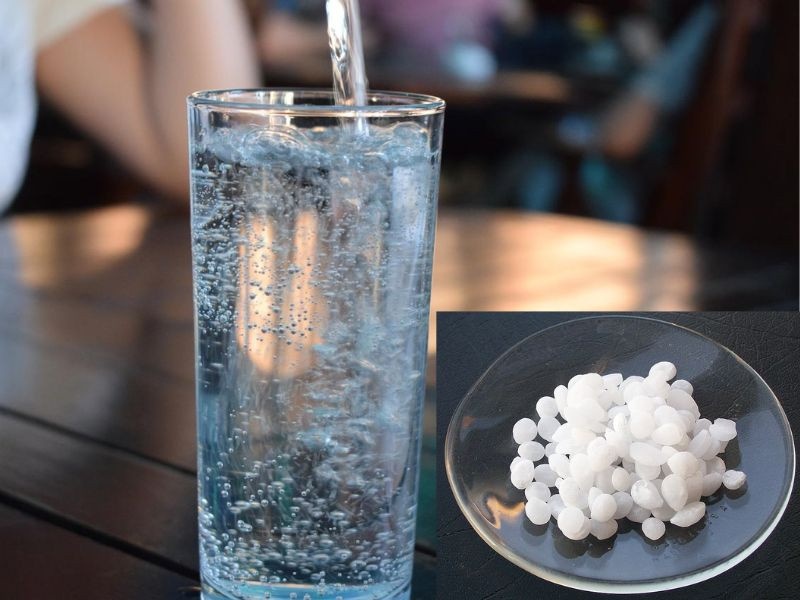
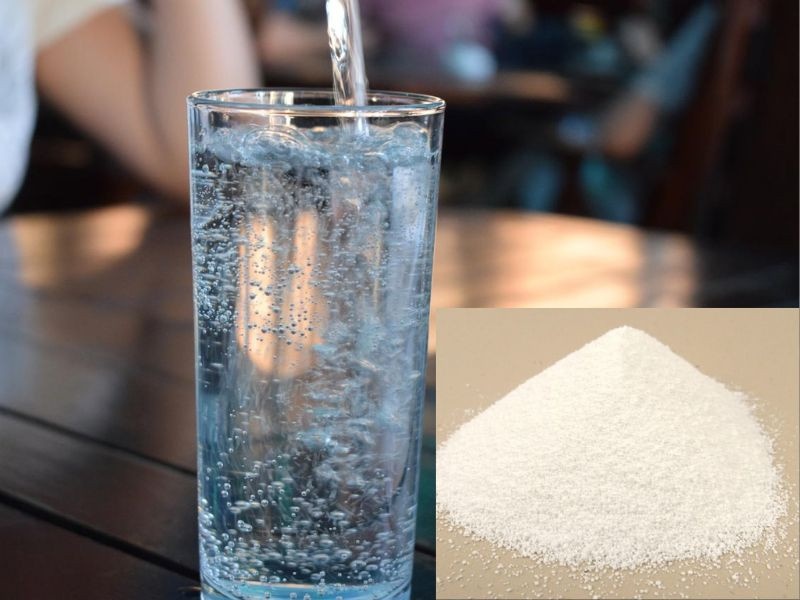
Soda, also known as Sodium carbonate (Na2CO3), is one of the most effective and commonly used permanent hard water softeners.
Specifically, when soda is dissolved in hard water, soda dissociates into Na+ and CO32- ions. The CO32- ions combine with Ca2+ and Mg2+ ions in hard water, forming CaCO3 and MgCO3 precipitates.
These precipitates are large in size and weight. Therefore, they quickly settle to the bottom of tanks or water containers. At that time, you only need to filter to remove this dirt.
Benefits of using Soda:
- Soda has the ability to completely remove Ca2+ and Mg2+ ions in hard water, helping to soften water effectively.
- Easy to use, can be used directly without complicated processing.
- Cheap price
- Compared to some other water softeners such as slaked lime, Soda creates less residue.
Drawbacks of using Soda:
- Increases the sodium content in water, affecting the health of people with cardiovascular and blood pressure problems.
- For water with high hardness, Soda is less effective.
- Soda is highly alkaline, so be careful when using and storing it. In particular, you need to avoid irritating the skin and eyes.
Things you may also be interested: Deionized Water: Benefits and Risks
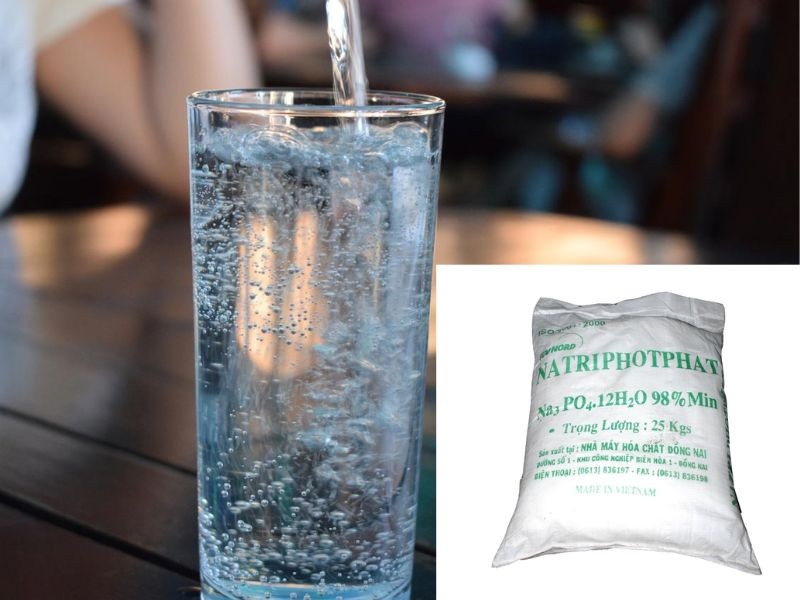
Sodium phosphate (Na3PO4)
Sodium phosphate (Na3PO4) is a chemical compound commonly used in the treatment of permanent hard water. This substance acts as a strong detergent, capable of completely removing Ca2+ and Mg2+ ions – the main cause of water hardness.
When Na3PO4 is added to water, it will dissociate into Na+ and PO43- ions. PO43- ions combine with Ca2+ and Mg2+ ions in water, forming Ca3(PO4)2 and Mg3(PO4)2 precipitates. These precipitates will settle into the water and we will easily obtain soft water.
Benefits:
- High efficiency
- Fast operation, shortens processing time.
- Low residue formation
- Safe to use.
Drawbacks:
- High cost.
Using Na3PO4 at high concentrations can cause some health effects such as diarrhea, nausea, vomiting.
Barium hydroxide Ba(OH)2
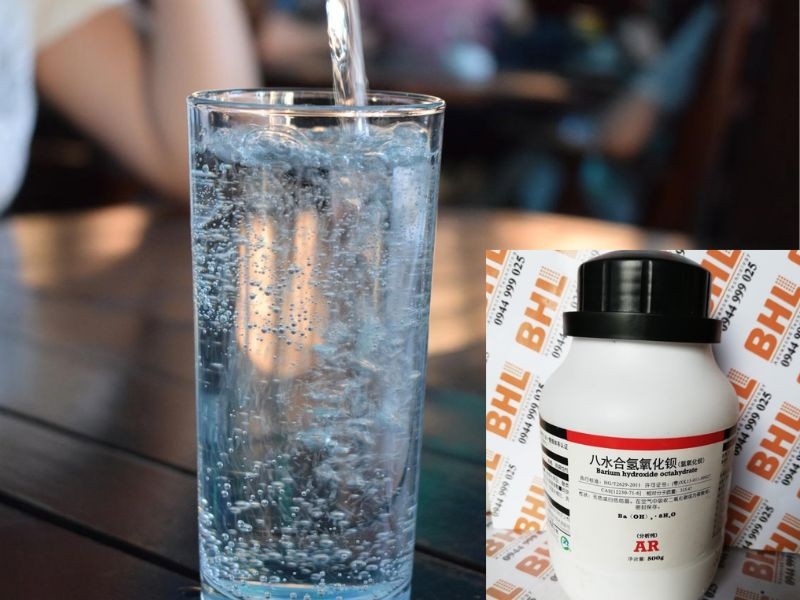
We can use Barium hydroxide Ba(OH)2 to soften permanent hard water. This method is quite effective because Ba(OH)2 has a high water absorption capacity. One molecule of Barium hydroxide Ba(OH)2 can absorb 8 water molecules. Moreover, the ion exchange rate is fast.
When added to water, the ions dissociated from Ba(OH)2 will combine with Mg2+, Ca2+ and (SO4)2 to form the compound Mg(OH)2, Ca(OH)2 and BaSO4.
These are all substances that can precipitate and easily settle to the bottom of the tank. All you have to do is remove them and get soft water.
Benefits:
- High efficiency in softening hard water.
- The ion exchange process is fast, saving time.
- Compared with other methods, Ba(OH)2 creates less scale, effectively protecting equipment.
Risks:
- Ba(OH)2 is highly toxic and should be handled and stored with care.
- Higher cost than
- Creates BaSO4 precipitate which affects water quality and should be disposed of properly.
You can also use:
Things to know when softening permanent hard water
When applying the methods of softening hard water that we share, you need to pay attention to the following issues::
- Use the correct dosage, do not increase it arbitrarily as it will affect the water quality.
- Buy the right product of good quality, without impurities.
- Provide basic conditions of solvent and temperature to ensure the best hard water removal efficiency.
Thus, permanent hard water can be completely treated with softeners. The 4 best permanent hard water softeners today include: Sodium Hydroxide, Soda, Sodium Phosphate, Barium Hydroxide. You should also pay attention to follow the instructions to ensure your safety and effectively soften the water source.
Please refer to the following utility for calculating water softening columns using ion exchange:
Input
Choose one case below for start to calculate
| Ca2+ hardness | mg/l | ||
| Mg2+ hardness | mg/l | ||
| Or enter total hardness | mg/l CaCO 3 | ||
| Enter softener flowrate | m 3/h | ||
| Enter total hours running in a cycle (Filter cycle time) |
h | ||
| Height of filter media resin (From 600mm to 2600mm, normally from 800mm to 1500mm) |
mm | ||
Results
| Water indicator | Water indicator | |
| Total hardness: | mg/l CaCO 3 | |
| Total soft water produce | m 3/Cycle | |
| Total hardness removed | Kg Grains/cycle | |
| The volume of Ion exchange resin needed | L | |
| Filter diameter tank recommended | m | |
| Filtration velocity | m 3/m 2.h | |
| Recommended Brine Tank Size | L | |
| Salt need for regeneration in one cycle | Kg | |
