


 Pretreatment equipments
 Micro filtration
 Water disinfection
 Water testing equipment
 Water treatment chemical
 Specialized pumps
 Swimming pool equipment
 Other products
 Chemical dosing system
 Water treatment system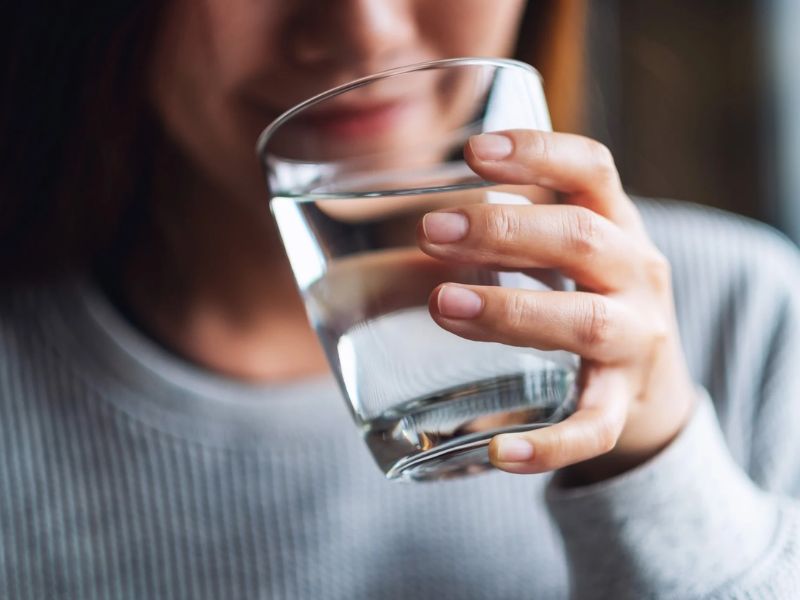
Domestic water is an important resource in our daily life. To ensure that domestic water meets health safety standards when used, disinfection is essential. One of the commonly used methods is to use chlorine to disinfect domestic water.
Is chlorine disinfection of domestic water safe?
According to the latest research, treating domestic water with chlorine is not harmful to humans, except for making the water have an unusual smell. However, residual chlorine can create trihalomethane, which affects children and pregnant women.
Detailed Explanation: Is chlorine in tap water toxic? How to treat water with excess chlorine
Solution: Leave the water in a well-ventilated area or put it in a bottle and place it in the refrigerator to remove the chlorine smell. You can also use an activated carbon water filter to improve the water quality.
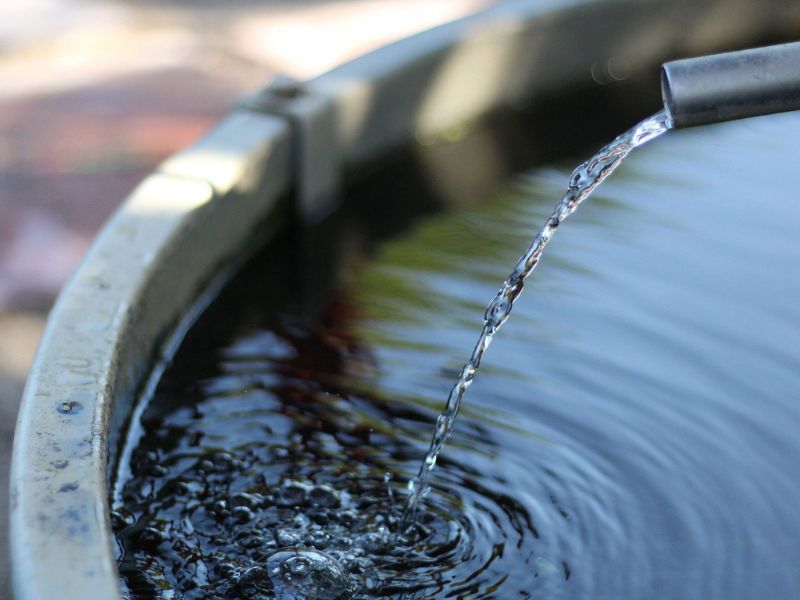
How to disinfect domestic water with chlorine
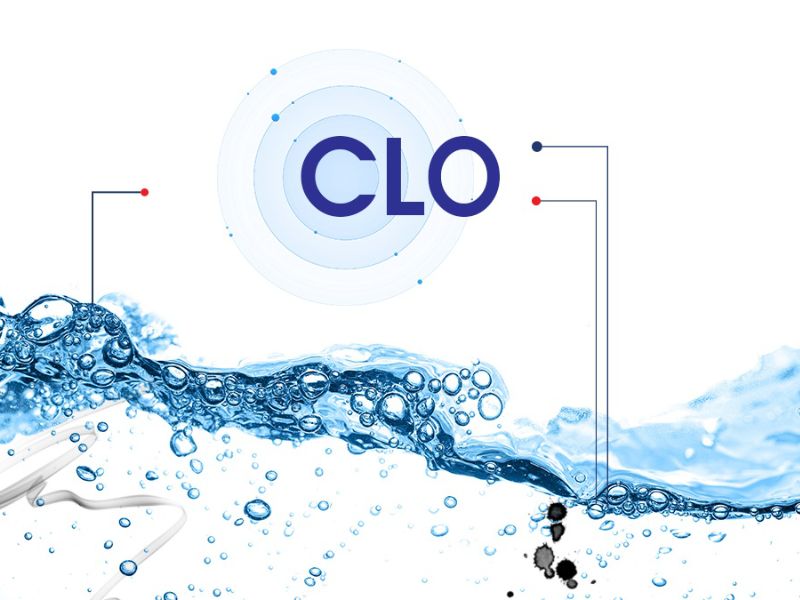
Chlorine, symbolized as Cl on the periodic table, is a halogen with atomic number 17. It is a strong oxidizing agent that can exist as an element or as a compound.
The reaction between gaseous chlorine (Cl2) and liquid water (H2O) produces an aqueous chlorine solution, which contains hypochlorous acid (HOCl). Hypochlorous acid is a compound with powerful disinfecting properties.
The process of disinfecting domestic water with chlorine to kill bacteria, viruses and pathogens takes place in two stages:
- The diffusion phase through the cell membrane of bacteria and viruses.
- The reaction phase with cell enzymes and disruption of metabolism, leading to bacteria and viruses being unable to survive due to lack of nutrition.
The rate at which chlorine is used to disinfect drinking water is quite rapid and is determined by the kinetics of diffusion and cell degradation. Several factors influence this rate, including:
- Concentration and temperature: The rate of disinfection increases as the concentration of chlorine and temperature increase.
- Non-dissociative properties of disinfectants: Some chlorine disinfectants are non-dissociative, which also affects the rate of disinfection.
- Sediments, organic matter and other reducing substances in water: The presence of these substances in water can slow down the rate of water disinfection.
Things to know when disinfecting domestic water with chlorine
When using chlorine to disinfect domestic water, the following factors should be noted to ensure health safety.
Note on standard chlorine content
According to the standards of the Ministry of Health, the allowable chlorine content in clean water (tap water) is from 0.3 to 0.5 mg/l. If the chlorine content exceeds this limit, it can cause nausea, difficulty breathing, reduce the quality and affect the taste of food. On the contrary, if the chlorine content is lower, the ability to kill bacteria will be reduced, while microorganisms can grow and harm human health.
For households using water from wells and often using Chloramine B to disinfect domestic water, please note:
- The prescribed concentration of Chloramine B is 1 gram/1000 liters of water, with an effective time of about 30 minutes. However, this compound does not have the effect of removing solids in water, so it should be used to dehydrate water after rough filtration.
See more: The best well water filter materials on the market
Health and safety notes
Chlorine is not a toxic substance that is harmful to human health. However, to avoid chlorine poisoning, the following regulations must be followed when disinfecting domestic water:
- Strictly follow the dosage and time of disinfection with chlorine.
- When working with chlorine or any other chemicals, protective measures such as gloves, masks, long-sleeved shirts and goggles must be used.
- Avoid contact with chlorine or other substances on the skin, eyes and mouth. If accidentally exposed, rinse immediately with clean water and go to the nearest medical facility for further advice.
- After using chlorine to disinfect domestic water, do not use it immediately but leave the water in a cool place or expose it to the sun for a few hours to remove the residual chlorine smell. If there are no conditions for sun exposure, the water can be filtered through an activated carbon filter to completely remove the residual chlorine in the water after the disinfection process.
Applications of Chlorine in life and production
In addition to using chlorine to disinfect domestic water, this substance is also applied in many areas of life such as:
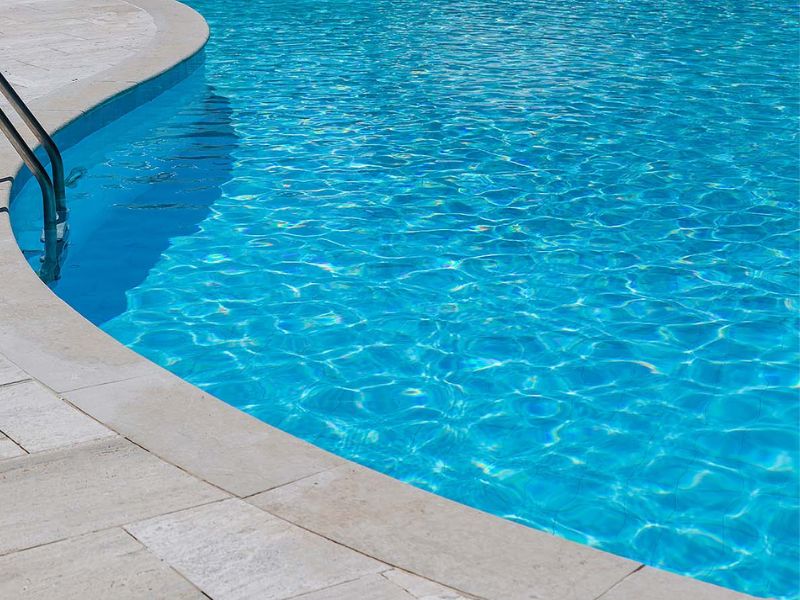
- Pool water treatment: Due to its effective disinfecting ability, chlorine is often used to disinfect swimming pools to maintain the cleanliness and safety of pool water. Chlorine helps kill bacteria, algae and organic compounds that are harmful to health.
See more in depth: How to treat algae in swimming pool water safely and 100% effectively
- Used in the production of chemicals such as soaps, detergents, oxidizers and reducing agents.
- Used in the dyeing and washing process to clean and bleach fabric products. It has the ability to remove dirt and stains on fabrics and at the same time has a disinfecting effect.
- Chlorine is also used in the paper industry to bleach paper, remove opacity to make paper bright white.
- With strong antibacterial and disinfecting properties, chlorine is commonly used in the production of preservatives to prevent the growth of bacteria, mold and other microorganisms.
- It is the main ingredient in many insecticides with the ability to kill and control the growth of harmful insects.
Using chlorine to disinfect domestic water will be safe and effective if regulations and instructions for use are followed correctly, and chlorine concentration is well controlled. In addition, other disinfection technologies should be applied to ensure the best quality of domestic water.
