


 Pretreatment equipments
 Micro filtration
 Water disinfection
 Water testing equipment
 Water treatment chemical
 Specialized pumps
 Swimming pool equipment
 Other products
 Chemical dosing system
 Water treatment system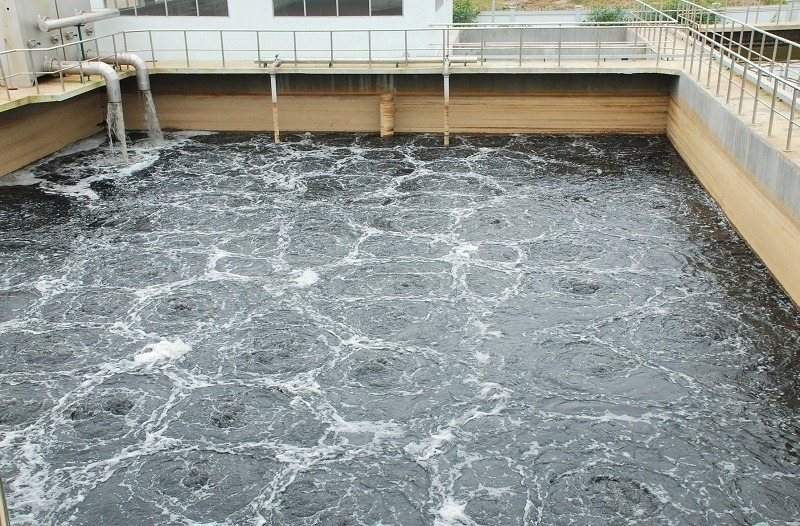
Within the wastewater treatment system, the equalization tank in wastewater treatment plays an important role and has its own function. For the wastewater system, the treatment tank will help the cleaning process take place more easily and quickly. Below is the information about the equalization tank in wastewater treatment that we will provide to you.
The role of equalization tank in wastewater treatment
Equalization tanks play an essential role in wastewater treatment systems, with many important functions that help maintain stable and efficient operation of the entire system. Below are some specific roles of equalization tanks:
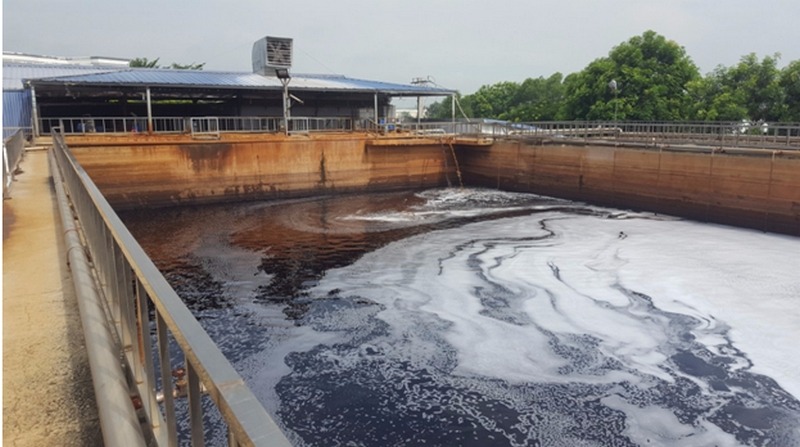
- Equalization of the concentration of pollutants in wastewater before they are introduced to the next treatment stages.
- Helps prevent sludge build-up in downstream treatment tanks by maintaining a constant flow and avoiding the settling of solids.
- Equalization of wastewater volume, especially in systems with large fluctuations in wastewater flow over time.
- Ensuring continuous system operation by regulating flow and concentration, equalization tanks help prevent overloading or underloading, maintaining optimal conditions for
- biological and chemical treatment processes.
Further details:
Structure and operating principle of the equalization tank
Equalization tanks in wastewater treatment have a structure that ensures all parts operate based on basic principles. Below are the structure and operating principles you need to understand.
Structure of the equalization tank
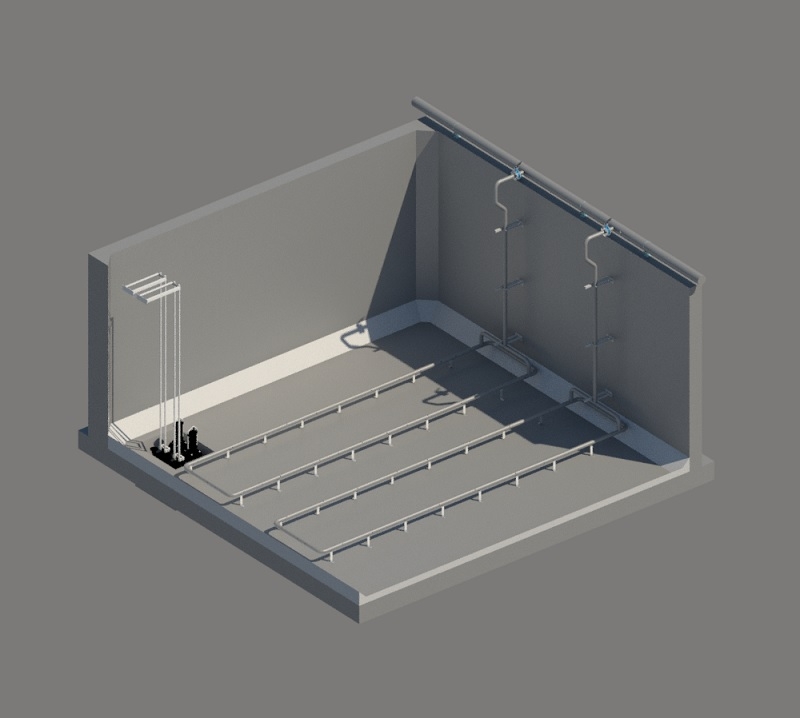
The equalization tank is located behind the trash rack and sand settling tank, consisting of two main parts: the holding tank and the anti-sedimentation system.
- Tank: Usually built of reinforced concrete or composite, with volume based on wastewater flow.
- Anti-sedimentation system: Includes pneumatic mixing system (for wastewater with suspended solids concentration < 500 mg/l) or mechanical mixing (for wastewater with suspended solids concentration > 500 mg/l).
The equipment included in the equalization tank includes: trash screening device, flow meter, water level measuring device, air blower disc, air blower tube, aerator, submersible mixer, surface aerator, mixing motor, and wastewater pump.
Operating principle of the equalization tank
Wastewater from different sources is led into the equalization tank through the inlet. The mixing or aeration system will operate continuously to ensure that the wastewater in the tank is always in a mixed state, without sedimentation. The equalization tank helps regulate the wastewater flow, especially in systems with strong fluctuations in wastewater flow. After the wastewater has been equalized, it will be discharged from the tank through the outlet and transferred to the next treatment stages.
Some notes when operating the equalization tank
The operation of equalization tanks in wastewater treatment systems requires careful attention to ensure efficient operation and to avoid problems. Here are some important notes when operating equalization tanks:
- Monitor wastewater flow and concentration
- Maintain mixing and aeration systems
- Manage water in tanks
- Check operating time
- Manage and handle sludge in a timely manner
Advantages and disadvantages of the equalization tank
The advantages of the conditioning surface in wastewater treatment can be listed as follows:
- Regulate wastewater flow and concentration
- Increase treatment efficiency
- Prevent wastewater shock
- Mix and homogenize wastewater
- Temporary storage without overload
Drawbacks:
- High investment and operating costs
- Requires large space
- Complicated management and maintenance
- Improper handling will leave bad odors
- Potential to leave a lot of residue
See more: Slow filter tank in water treatment industry: Structure and operation
Technical notes before constructing the equalization tank
According to regulations, industrial wastewater needs to be treated properly, so the equalization tank in wastewater treatment plays an important role in helping the treatment process take place faster and the process is simpler.
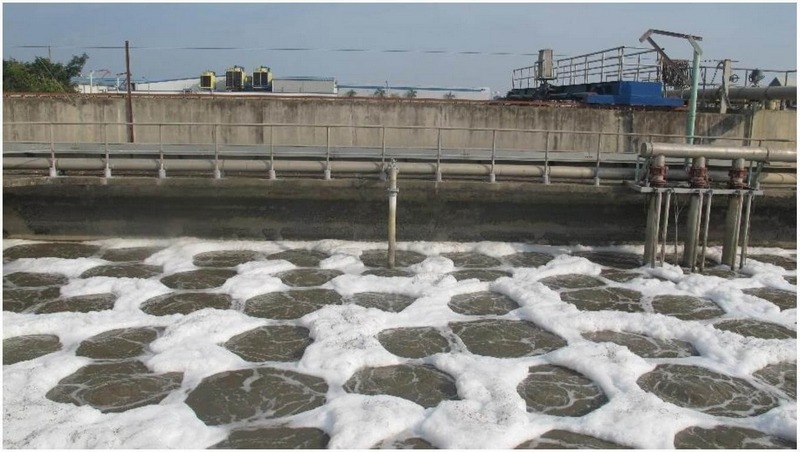
- Construction materials: The equalization tank must be built with concrete and steel to ensure durability and resistance to wastewater environments, helping the tank to have a long life and good corrosion resistance.
- Use waterproofing panels: to prevent wastewater from seeping out, protecting the tank structure and the surrounding environment.
- Wall slope: from 3:1 to 2:1 to support the flow, prevent the deposition of solids and residues, making it easier to maintain and clean the tank.
- Water depth: Not more than 1.5m. It is recommended to install an automatic water level alarm system to know when the water level drops or rises abnormally, from which you can decide when to use the appropriate mixer or pump.
If you need more detailed advice on equalization tanks in wastewater treatment, please contact Song Phung for advice and answers. Song Phung is one of the leading units in the field of installing water and environmental equipment, ready to answer customers’ questions.
Song Phung can provide services and information on: Installing effective water treatment systems at good prices
