

 Pretreatment equipments
 Micro filtration
 Water disinfection
 Water testing equipment
 Water treatment chemical
 Specialized pumps
 Swimming pool equipment
 Other products
 Chemical dosing system
 Water treatment system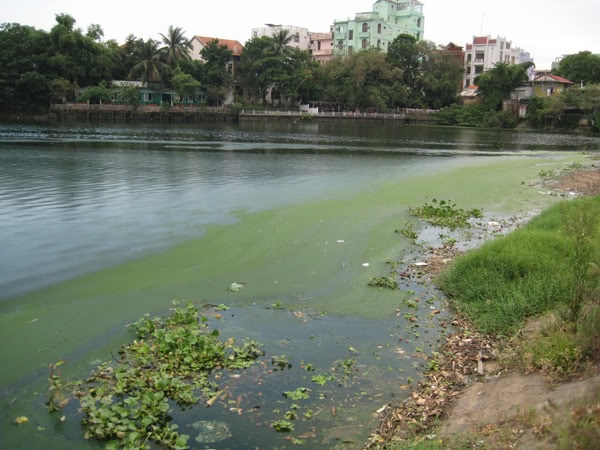
Eutrophication in water sources is the cause of many harmful bacteria, if not handled carefully and properly, it will leave serious consequences. So what is the cause of eutrophication? What is the appropriate solution to eutrophication? In the following article, Song Phung Environment will provide you with the necessary information about the problem “what is eutrophication” and effective solutions.
What is eutrophication?
Eutrophication is a phenomenon in the aquatic environment when there are too many nutrients, mainly nitrate (N) and phosphate (P), introduced from sources such as fertilizers, domestic wastewater, industrial wastewater or sewage. When the nitrogen content exceeds 300 µg/l and phosphorus exceeds 20 µg/l in water, eutrophication occurs.
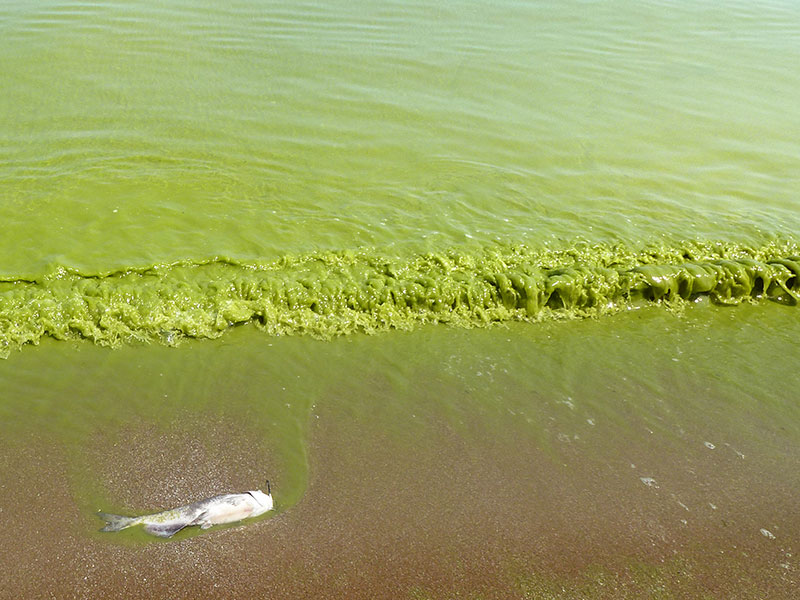
This phenomenon causes excessive growth of algae and plankton in the water, leading to green algae patches floating on the water surface, initially small patches after a long time leading to large patches, reducing light and dissolved oxygen in the water. The result is a lack of oxygen, causing the death of fish and other aquatic organisms, unbalancing the ecosystem and polluting the water environment, even causing foul odors, affecting human life and tourism activities.
Causes of eutrophication
Eutrophication is a common phenomenon in ponds, lakes, rivers, streams, etc. due to the excessive accumulation of nutrients in water, especially nitrates and phosphates. Below are the main causes leading to this situation:
Use of fertilizers in cultivation
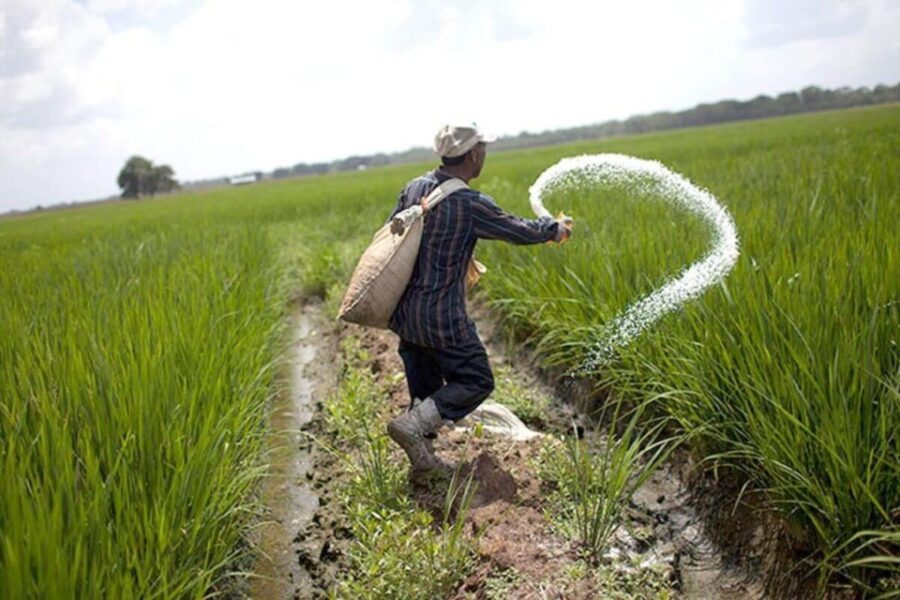
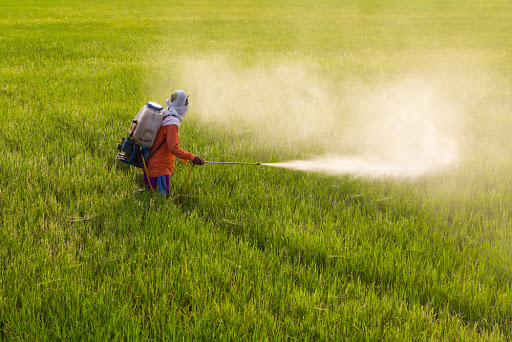
Using chemical fertilizers in higher doses than necessary will not be absorbed by plants, the excess will be washed into water sources by rainwater or irrigation water. Fertilizers often contain a lot of nitrates and phosphates – two main agents causing eutrophication. When they seep into rivers, lakes, ponds, they promote excessive growth of algae and aquatic life.
Discharge wastewater directly into the environment
In many urban areas or factories, untreated wastewater is discharged directly into the environment. This water often contains detergents, food waste, soaps and nutrient-rich organic compounds – a rich source of eutrophication if left unchecked.
Livestock wastewater
Livestock farms often discharge large amounts of animal manure and urine containing nitrates and phosphates. If not properly treated, water from cleaning barns and livestock equipment will also carry pollutants and flow into natural water sources, increasing the risk of serious eutrophication.
Discharge of waste from the aquaculture industry
Aquaculture areas, such as fish and shrimp farms, often discharge wastewater containing large amounts of organic matter, fish feces, leftover feed and unused nutrients. These substances easily pollute water sources and cause eutrophication when they enter lakes, rivers and streams.
Dead and decomposing aquatic plants
When aquatic plants in lakes, ponds, or rivers die and decompose, they release large amounts of nutrients such as nitrates and phosphates into the water. This decomposition not only reduces water quality but also creates conditions for algae to grow rapidly, causing eutrophication.
Climate change
Climate change increases the frequency and intensity of rainfall, leading to the leaching of fertilizers and pollutants into water sources. In addition, factors such as rising water temperatures also stimulate rapid algae growth, exacerbating eutrophication.
Exploitation of water resources
Uncontrolled extraction of groundwater and surface water, especially in rural areas, can lead to reduced water quality. Unsustainable water extraction and use, combined with inadequate wastewater treatment, can also contribute to eutrophication.
See more: Effective and popular method of treating wastewater from pig farming
Consequences of eutrophication
Causes a foul odor
Eutrophication leads to rapid growth of algae and aquatic plants. When these organisms die, they are decomposed by bacteria, producing ammonia, hydrogen sulfide and methane gases, which cause foul odors. The accumulation of sludge and organic matter at the bottom of lakes and rivers due to incomplete decomposition creates unpleasant odors.
Causes loss of aesthetics
Blue-green algae, green algae and other algae grow rapidly, turning the water murky blue, green or even red, making the water lose its natural beauty and clarity on the surface of the pond. A thick layer of algae on the surface of the water causes an “algae bloom,” making the water look like it is covered with a green carpet.
Impact on aquatic life
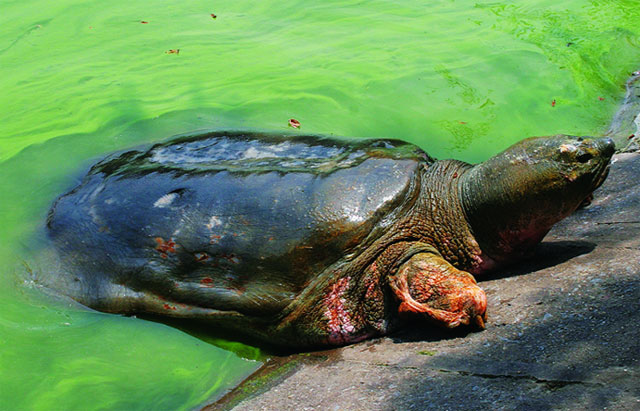
When algae and aquatic plants die, the bacteria that decompose them consume large amounts of oxygen, leading to hypoxia. The lack of oxygen causes dead zones, where fish and aquatic animals cannot survive, reducing biodiversity. Some algae and bacteria species thrive more than others, causing an imbalance in the aquatic ecosystem. Dead organisms create a large amount of dead organisms floating on the water surface, causing serious aesthetic loss.
Water quality is degraded
Increased concentrations of nutrients such as nitrates and phosphates in water lead to eutrophication, which degrades water quality. The decomposition of algae and other organisms consumes large amounts of oxygen, causing a lack of dissolved oxygen in the water (hypoxia), which seriously degrades water quality. Some algae, especially blue-green algae (cyanobacteria), produce toxic substances called cyanotoxins, which contaminate water sources and affect human and animal health.
Change the turbidity and color of water
The explosive growth of algae and bacteria increases the turbidity of water, making it cloudy and unclean. Dead algae and decomposing organic matter create large amounts of suspended solids in the water, increasing turbidity. Excessive growth of blue-green algae and green algae makes the water appear murky blue or green.
Source of microbial growth – flies, mosquitoes – diseases
Excess nutrients create favorable conditions for harmful microorganisms, bacteria and fungi to thrive, causing health problems and reducing water quality. Eutrophic water is often stagnant and contains a lot of organic matter, creating an ideal environment for flies and mosquitoes to breed. Contaminated water can cause gastrointestinal diseases such as diarrhea, food poisoning and other intestinal diseases.
Refer: Water quality testing equipment at Song Phung for timely assessment
How to solve eutrophication phenomenon
Eutrophication causes many serious problems for the aquatic environment and ecosystem. To solve this phenomenon, it is necessary to apply appropriate measures to solve the problem thoroughly.
Use chemical fertilizers in appropriate doses
The use of chemical fertilizers in agriculture is one of the main causes of eutrophication. To limit this situation, farmers need to use fertilizers reasonably and according to the needs of crops. Avoid applying too much fertilizer, especially fertilizers containing high levels of nitrates and phosphates. An effective solution is to use organic fertilizers and slow-release fertilizers, which help to minimize excess nutrients and avoid leaching into water sources.
Construction of wastewater treatment plant
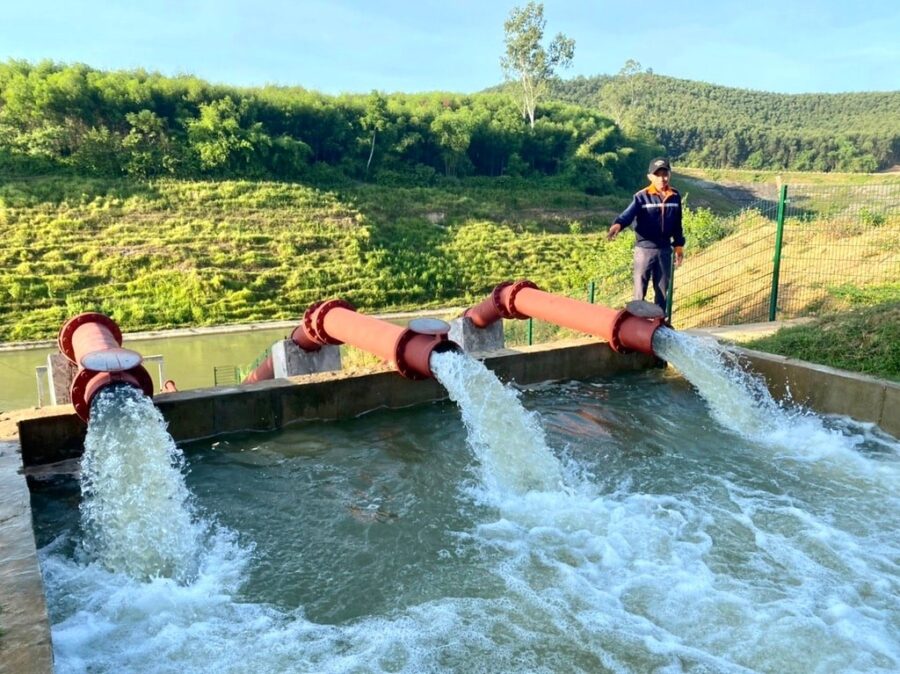
Eutrophication occurs when nutrients such as nitrates and phosphates accumulate in water, leading to algal blooms and reduced water quality. To address this problem, building wastewater treatment plants is essential. Treatment plants not only remove pollutants but also help improve water quality, protect ecosystems and human health. Investing in wastewater treatment systems is investing in a sustainable and clean living environment.
Construction of Biogas technology filter tank to treat wastewater
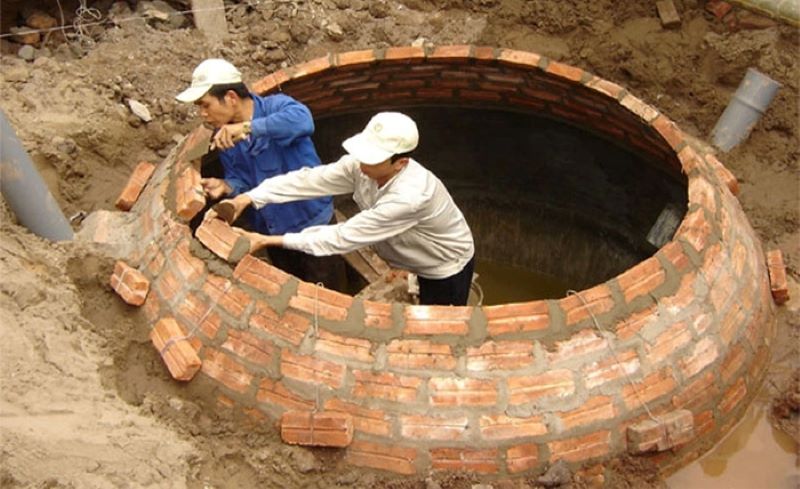
Building a Biogas technology filter tank is an effective solution to treat wastewater and overcome the eutrophication situation in water sources. Biogas technology uses anaerobic decomposition process, in which anaerobic microorganisms decompose organic matter in wastewater, creating Biogas (mainly methane and carbon dioxide). This process not only helps to reduce the content of organic matter, nitrate and phosphate – nutrients that cause eutrophication, but also produces Biogas, a renewable energy source that can be used for domestic and industrial purposes. Biogas filter tanks are often designed to be sealed to prevent oxygen intrusion, ensuring the anaerobic decomposition process takes place effectively.
The above information will help you understand what eutrophication is, its causes, consequences and effective treatment methods. Eutrophication is a serious problem that affects the quality of water resources and ecosystems. To overcome this situation, it is very important to apply proper treatment measures. If you have any questions, do not hesitate to contact Song Phung Environment immediately for detailed advice and timely support. We provide professional water treatment system construction services and supply water treatment microorganisms, helping to improve water quality and protect the environment.
>> Services recommended for you:
- Prestigious service of replacing filter materials for water treatment systems at Song Phung
- Consulting and quoting for construction of water treatment systems for businesses
